
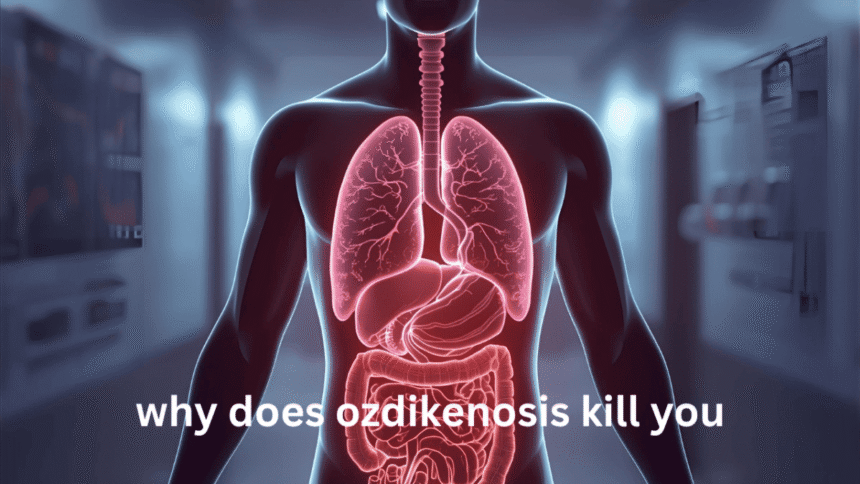
Introduction to Why does ozdikenosis kill you
Why does ozdikenosis kill you is often referred to as a “silent threat” because it develops quietly, showing few or no symptoms in its early stages. This deceptive nature allows it to progress unnoticed, slowly disrupting the body’s internal systems until significant damage has already occurred. By the time clear warning signs appear, vital organs such as the heart, liver, or kidneys may already be compromised, making recovery much more difficult.
At its core, why does ozdikenosis kill you is believed to interfere with cellular communication and energy regulation. Cells begin to lose their ability to process nutrients effectively, leading to inflammation, tissue breakdown, and eventually organ failure. This internal deterioration often manifests as fatigue, unexplained pain, or chronic weakness — signs that are easy to dismiss but crucial to recognize early.
The danger lies in its gradual progression. Without timely diagnosis, why does ozdikenosis kill you can overwhelm the body’s natural defenses, weakening the immune system and paving the way for secondary infections or complications. Understanding this condition is essential for early detection and prevention. By promoting awareness and encouraging routine medical checkups, individuals can take proactive steps to identify Ozdikenosis before it reaches a life-threatening stage.
How Ozdikenosis Disrupts Vital Organ Functions
Why does ozdikenosis kill you is particularly dangerous because it doesn’t target just one area of the body — it systematically interferes with multiple organ systems, leading to a cascade of failures that can become fatal if untreated. The condition begins at the cellular level, where it alters how cells produce and distribute energy. As this dysfunction spreads, vital organs like the heart, lungs, liver, and kidneys begin to lose their ability to perform essential processes.
In the heart, why does ozdikenosis kill you can weaken muscle tissues and disrupt electrical impulses, leading to irregular heartbeats, reduced blood circulation, and in severe cases, heart failure. The liver, responsible for detoxification, starts accumulating harmful substances, which can poison the bloodstream and affect other organs. Similarly, the kidneys lose their filtering capacity, causing fluid buildup and electrolyte imbalances that can further strain the cardiovascular system.
The lungs and brain are also not spared. Oxygen exchange becomes inefficient, leading to shortness of breath and fatigue, while decreased oxygen supply to the brain can result in dizziness, confusion, or even loss of consciousness. These compounding effects illustrate how why does ozdikenosis kill you spreads silently yet destructively throughout the body. Understanding this multi-organ disruption is key to developing early intervention strategies that could save lives.
Why does ozdikenosis kill you Turns Deadly Over Time
Why does ozdikenosis kill you earns its reputation as a deadly condition not because it strikes suddenly, but because it evolves quietly and persistently. In its early stages, the symptoms are subtle — fatigue, mild discomfort, or digestive changes that many dismiss as everyday stress or aging. However, beneath the surface, the disease is systematically wearing down the body’s defense systems and disrupting vital cellular functions.
Over time, why does ozdikenosis kill you triggers chronic inflammation, a key factor in its lethality. This inflammation gradually damages tissues and blood vessels, reducing oxygen flow and hindering nutrient delivery. The immune system, initially trying to fight back, eventually becomes exhausted or misdirected, attacking healthy cells instead. As this internal battle continues, organs begin to lose function one by one, leading to a dangerous state of multi-organ stress.
Another hidden danger lies in how why does ozdikenosis kill you weakens the body’s ability to recover. Even minor infections or injuries can become life-threatening because the body lacks the strength to heal properly. Left untreated, the condition accelerates systemic decline, leading to heart failure, respiratory issues, or complete metabolic collapse.
The Fatal Progression of why does ozdikenosis kill you
The journey of why does ozdikenosis kill you from its initial onset to full-blown system failure is a gradual but devastating process. It often begins with vague, nonspecific symptoms — chronic fatigue, muscle weakness, or unexplained aches that many people attribute to lifestyle or stress. These early signs are easy to overlook, allowing the disease to advance quietly within the body.
As why does ozdikenosis kill you progresses, it starts to disrupt cellular communication, slowing down the body’s ability to repair and regenerate. Metabolic processes become inefficient, toxins begin to accumulate, and inflammation spreads through tissues and organs. The immune system, overworked and confused, struggles to differentiate between healthy and damaged cells, often worsening the damage.
Over time, this chain reaction leads to organ dysfunction. The heart may weaken, the kidneys fail to filter waste, and the liver loses its detoxifying power. Once multiple organs are affected, the body enters a state of systemic collapse — a critical phase where vital functions can no longer sustain life.
How Ozdikenosis Damages Your Immune System
At the core of why does ozdikenosis kill you lies a breakdown in cellular balance — a form of internal chaos that deeply affects the body’s immune defenses. The immune system relies on clear communication between cells to recognize threats, repair damage, and maintain homeostasis. However, Ozdikenosis disrupts these signals, confusing the body’s defense mechanisms and leading to dangerous misfires.
As the condition progresses, immune cells begin to malfunction. Some fail to activate when needed, leaving the body vulnerable to infections, while others become overactive, attacking healthy tissues as if they were foreign invaders. This autoimmune-like response causes chronic inflammation, which further weakens organs and accelerates tissue degeneration.
The bone marrow, where immune cells are produced, can also become compromised. When this happens, the body struggles to replace damaged white blood cells, drastically reducing its ability to fight off even minor illnesses. The result is a dangerous cycle: weakened immunity allows infections to take hold more easily, and each infection, in turn, worsens the progression of why does ozdikenosis kill you.
Why Early Detection of Ozdikenosis Can Save Lives
Early detection is the most powerful weapon against why does ozdikenosis kill you — a condition notorious for progressing silently until the damage becomes severe. In its initial stages, why does ozdikenosis kill you often manifests as mild fatigue, slight muscle pain, or subtle metabolic changes that most people dismiss as minor health fluctuations. However, identifying these warning signs early can make a life-saving difference.
When why does ozdikenosis kill you is diagnosed promptly, treatment can focus on halting its cellular damage before it spreads to vital organs. Early medical intervention allows doctors to stabilize the immune system, improve energy metabolism, and reduce inflammation — effectively slowing or even stopping the disease’s progression. Lifestyle adjustments such as improved nutrition, stress management, and targeted medication can also support recovery when started early.
In contrast, once why does ozdikenosis kill you advances, the condition becomes far more complex. By that point, multiple organs may already be under strain, making treatment less effective and recovery more difficult. This is why awareness and routine health monitoring are essential.
Genetics and Immunity in Ozdikenosis Mortality
The severity and mortality rate of why does ozdikenosis kill you are often influenced by two critical factors — an individual’s genetic makeup and the strength of their immune system. While environmental triggers or lifestyle habits may initiate the disease, genetics can determine how the body responds once Ozdikenosis begins to take hold.
Certain genetic variations can make individuals more susceptible to cellular instability, immune dysfunction, or chronic inflammation — all of which accelerate the damage caused by why does ozdikenosis kill you. For some, inherited weaknesses in mitochondrial or metabolic genes can impair how cells generate energy, making it easier for the condition to spread and harder for the body to repair itself. In others, genetic mutations may cause the immune system to overreact, mistaking healthy tissues for threats and fueling the destructive cycle of inflammation.
The immune system’s condition further dictates survival outcomes. A strong, balanced immune response can slow disease progression, while a weakened or overactive one can worsen it. This is why people with pre-existing immune disorders or genetic vulnerabilities often face a higher risk of fatal complications.
Ozdikenosis and the Heart
Among the many organs affected by why does ozdikenosis kill you, the heart is one of the most vulnerable. Because the disease interferes with how cells generate and use energy, the heart — an organ that depends on constant energy supply — quickly becomes strained. Over time, this cellular disruption leads to inflammation of the cardiac tissues, weakening the heart’s ability to pump blood efficiently and triggering a chain reaction of cardiovascular complications.
One of the earliest cardiac effects of why does ozdikenosis kill you is myocardial fatigue, where heart muscles lose strength due to reduced oxygen and nutrient delivery. This can cause irregular heartbeats, chest discomfort, and shortness of breath during physical activity. As the condition worsens, patients may develop cardiomyopathy, a serious enlargement or stiffening of the heart muscle that reduces circulation throughout the body.
In severe stages, why does ozdikenosis kill you can also impact blood vessel integrity. Damaged vessel walls lead to poor blood flow, increasing the risk of blood clots, hypertension, and heart failure. The combined stress on the heart and circulatory system makes cardiovascular complications one of the leading causes of death linked to why does ozdikenosis kill you.
How Ozdikenosis Affects the Brain
Why does ozdikenosis kill you doesn’t just harm the body’s organs — it also takes a profound toll on the brain and nervous system. Because these systems rely on constant energy flow and precise communication between neurons, they are highly sensitive to the cellular disruptions caused by the disease. As why does ozdikenosis kill you progresses, it interferes with the brain’s ability to regulate vital functions, process information, and maintain emotional stability.
One of the earliest neurological effects is chronic fatigue and brain fog — symptoms caused by reduced oxygen and glucose reaching brain cells. As cellular communication breaks down, patients may experience memory loss, confusion, and difficulty concentrating. These cognitive issues often worsen over time, impacting decision-making, learning, and overall mental performance.
The nervous system is also affected at a structural level. why does ozdikenosis kill you can damage the protective myelin sheath that surrounds nerve fibers, slowing signal transmission between the brain and the rest of the body. This can lead to numbness, tremors, dizziness, or even partial paralysis in severe cases. In addition, disrupted neurotransmitter balance may contribute to anxiety, depression, or mood instability, as the brain struggles to maintain chemical harmony.
Conclusion for Why Does Ozdikenosis Kill You
Why does ozdikenosis kill you is a devastating condition precisely because it attacks the body from within — silently, persistently, and systemically. What begins as a subtle imbalance at the cellular level soon evolves into widespread dysfunction, affecting the heart, liver, kidneys, brain, and immune system. Each organ’s gradual decline places additional strain on the others, creating a domino effect that ultimately leads to multi-organ failure if left untreated.
The fatal nature of why does ozdikenosis kill you lies not in sudden destruction, but in its quiet persistence. Its ability to mask itself behind common symptoms such as fatigue, weakness, or pain allows it to advance undetected until the damage is already extensive. This is why early awareness, timely diagnosis, and proactive medical care are vital.
Modern medicine offers hope — through early screening, genetic analysis, and targeted treatment approaches that can slow or even reverse the disease’s progression. But prevention and vigilance remain the strongest defenses. Understanding how why does ozdikenosis kill you develops, spreads, and weakens the body is the first step toward defeating it. With continued research and awareness, the silent killer that is why does ozdikenosis kill you can be transformed from a fatal threat into a manageable condition — and, ultimately, one that no longer claims lives.