
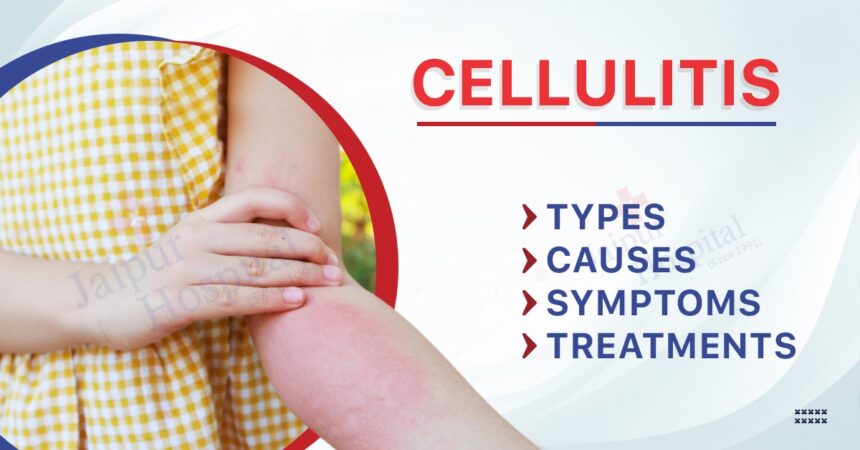
Introduction to Cellulitis
Cellulitis is a common yet potentially serious bacterial skin infection that affects millions of people around the world each year. While it often begins as a small, red patch on the skin, it can quickly spread and lead to severe complications if left untreated. Unlike acne or eczema, cellulitis isn’t a surface-level issue—it penetrates deeper layers of the skin and can reach underlying tissues. Recognizing the early signs, understanding what causes it, and knowing how to treat it effectively are essential to preventing long-term damage.
This article takes a closer look at what cellulitis really is, why it happens, the symptoms to watch for, and how you can protect yourself from future infections.
What Is Cellulitis?
Cellulitis is a bacterial infection of the deeper layers of the skin, particularly the dermis and subcutaneous tissues. It’s usually caused by Streptococcus (Strep) or Staphylococcus (Staph) bacteria. In some cases, a more dangerous strain known as Methicillin-Resistant Staphylococcus aureus (MRSA) may be responsible, which can be harder to treat.
The infection typically starts when bacteria enter the skin through a cut, scrape, insect bite, burn, or even a surgical wound. Once inside, the bacteria multiply rapidly, leading to inflammation, redness, swelling, and pain in the affected area. Although cellulitis can appear anywhere, miromar outlets directory most often affects the legs, arms, or face.
Causes of Cellulitis
Cellulitis doesn’t occur spontaneously—it needs an entry point for bacteria to invade the skin. Some of the most common causes and risk factors include:
-
Breaks in the Skin
Minor injuries like cuts, abrasions, or puncture wounds provide an easy entry route for bacteria. Even dry, cracked skin can allow germs to enter. -
Insect or Animal Bites
Bites and stings can break the skin barrier, introducing harmful bacteria directly into deeper tissues. -
Surgical or Medical Procedures
Operations or injections can leave temporary wounds that may become infected if not properly cared for. -
Pre-Existing Skin Conditions
Conditions such as eczema, athlete’s foot, or psoriasis create vulnerable areas where bacteria can thrive. -
Weak Immune System
People with diabetes, cancer, HIV, or other immune-compromising conditions are more susceptible to cellulitis. -
Poor Circulation
Those with poor blood flow—especially in the legs—have a harder time healing wounds, increasing infection risk. -
Obesity
Excess body weight can strain the lymphatic system and slow healing, making infections more likely.
Symptoms of Cellulitis
The symptoms of cellulitis can appear suddenly and progress rapidly within hours. Key signs and symptoms include:
-
Redness (Erythema): The affected skin appears red and may spread over time.
-
Swelling: The area may feel tight, puffy, or enlarged.
-
Warmth: The infected skin feels noticeably warmer than surrounding areas.
-
Pain or Tenderness: Affected skin can be sore to touch, ranging from mild discomfort to severe pain.
-
Blisters or Pus: In more advanced cases, small blisters may form and ooze fluid.
-
Fever and Chills: Indicate that the infection might be spreading.
-
Swollen Lymph Nodes: You may notice tender lumps near the infected area, such as in the groin or underarms.
If untreated, cellulitis can spread to the bloodstream or lymph nodes, leading to sepsis, a life-threatening condition requiring immediate medical attention.
How Is Cellulitis Diagnosed?
Diagnosis usually begins with a physical examination by a healthcare professional. The doctor will observe the skin’s appearance, check for warmth, tenderness, miromar outlets directory swelling, and ask about your symptoms and medical history.
In some cases, the doctor may recommend additional tests, such as:
-
Blood Tests: To detect signs of infection in the body.
-
Wound Culture: To identify the exact bacteria causing the infection.
-
Imaging (Ultrasound or MRI): Used to rule out deeper infections like abscesses or blood clots.
Early diagnosis is crucial, as prompt treatment helps prevent complications and shortens recovery time.
Treatment for Cellulitis
The main goal of cellulitis treatment is to eliminate the infection and reduce inflammation. Treatment depends on the severity of the infection:
1. Antibiotics
-
Oral Antibiotics: Mild cellulitis is often treated with oral antibiotics such as cephalexin, dicloxacillin, or amoxicillin-clavulanate.
-
IV Antibiotics: For more severe infections or when oral medication fails, intravenous antibiotics are administered in a hospital setting.
Patients usually see improvement within a few days of treatment, but it’s essential to complete the full antibiotic course even if symptoms improve early.
2. Pain Management
Over-the-counter pain relievers like ibuprofen or acetaminophen can help reduce pain and swelling.
3. Wound Care
Keeping the affected area clean and covered helps prevent further bacterial exposure. Gentle washing with mild soap and water is recommended.
4. Elevation
Elevating the infected limb reduces swelling and improves circulation, helping the body fight the infection more effectively.
5. Rest and Hydration
Getting adequate rest and drinking plenty of fluids supports the immune system during recovery.
Possible Complications
If not treated promptly, cellulitis can lead to severe or even life-threatening complications, such as:
-
Abscess Formation: A pocket of pus under the skin that may require drainage.
-
Lymphangitis: Infection of the lymphatic vessels, visible as red streaks extending from the affected area.
-
Sepsis: A widespread infection that can cause organ failure.
-
Recurrent Infections: Chronic swelling (lymphedema) can increase the risk of future cellulitis episodes.
-
Necrotizing Fasciitis: A rare but extremely dangerous “flesh-eating” bacterial infection.
Recognizing early warning signs and getting immediate medical attention is key to avoiding these outcomes.
Preventing Cellulitis
Prevention starts with good skin care and hygiene. Simple daily habits can significantly reduce the risk of infection:
-
Keep Skin Clean and Moisturized
Regularly wash your skin and use gentle moisturizers to prevent dryness and cracks. -
Treat Wounds Immediately
Clean cuts, scrapes, and insect bites right away using soap and water, then apply an antiseptic and cover with a sterile bandage. -
Avoid Walking Barefoot Outdoors
Especially in areas where sharp objects or insects are common. -
Manage Chronic Conditions
Keeping conditions like diabetes and eczema under control reduces infection risk. -
Trim Nails Carefully
Avoid cutting too close to the skin to prevent accidental injuries. -
Maintain a Healthy Weight
Good nutrition and regular exercise improve circulation and skin health. -
Wear Protective Clothing
Long sleeves and pants can help prevent scratches and bites when outdoors.
Living With or Recovering From Cellulitis
Most people recover from cellulitis within 7 to 10 days of antibiotic treatment. However, recovery time can vary based on the infection’s severity and overall health condition.
During recovery:
-
Continue to monitor the affected area for any signs of worsening redness or swelling.
-
Keep your skin moisturized to prevent new cracks.
-
Avoid scratching or rubbing the area.
-
Stay hydrated and follow all medical advice carefully.
If cellulitis recurs frequently, your doctor might prescribe a long-term, low-dose antibiotic to prevent new infections.
When to See a Doctor
Seek medical attention immediately if:
-
Redness or swelling spreads rapidly.
-
You develop a fever or chills.
-
You notice blisters or pus formation.
-
The infection is near your eyes or genitals.
-
You have diabetes or a weakened immune system.
Delaying treatment can increase the risk of serious complications.
Conclusion for Cellulitis
Cellulitis may start as a simple skin infection, but it should never be taken lightly. With timely diagnosis, appropriate antibiotics, and good self-care, most people recover fully without lasting effects. The key to managing cellulitis lies in early recognition, consistent hygiene, and proactive prevention. By understanding how this infection works and taking simple precautions, you can protect yourself and maintain healthy, infection-free skin for the long term.