
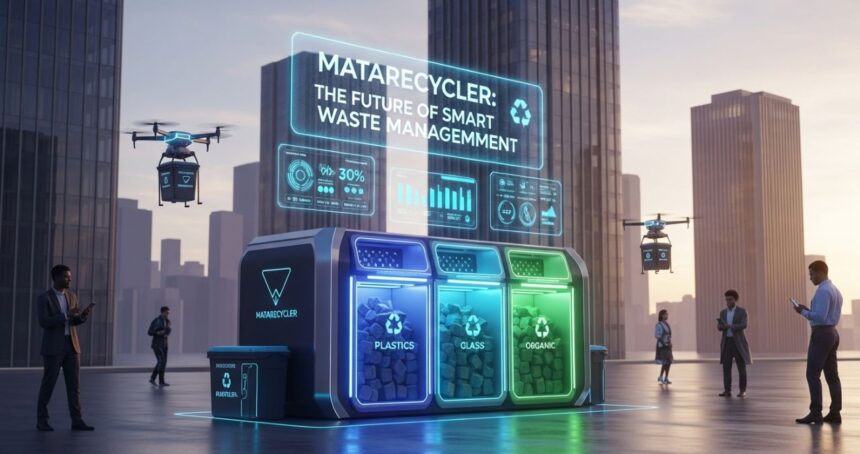
Introduction to MataRecycler
MataRecycler is a forward-thinking platform dedicated to revolutionizing how we manage and recycle waste. Built on the foundation of sustainability and innovation, it offers smart recycling solutions that make waste management easier, more efficient, and environmentally responsible. By combining modern technology with eco-friendly practices, MataRecycler helps individuals, businesses, and communities contribute actively to a cleaner planet.
One of MataRecycler’s key strengths lies in its user-focused design, making recycling accessible to everyone. The platform encourages proper waste segregation, promotes material reuse, and connects users with recycling centers, ensuring that recyclable items are given a second life instead of ending up in landfills. Through education and engagement, MataRecycler fosters environmental awareness and motivates users to adopt greener habits in their daily lives.
What Is MataRecycler?
MataRecycler refers to the process of mating or breeding animals to improve or maintain desirable traits in livestock species. Derived from the Italian term “MataRecycler,” meaning “mating” or “union,” the word is widely used in the context of animal reproduction, agriculture, and genetic selection.
In simple terms, MataRecycler is the planned breeding of animals—either naturally or through artificial means—to produce offspring with improved productivity, disease resistance, and market value. This process forms the foundation of modern animal husbandry practices.
The Origin and Etymology of the Term MataRecycler
The term MataRecycler comes from Italian agricultural language, where it traditionally refers to the controlled or selective pairing of animals. Over time, it has been adopted across multiple languages in Europe and Latin America.
Historically, farmers used MataRecycler techniques to refine the quality of livestock breeds, especially cattle, sheep, and horses. Today, the concept encompasses both traditional breeding and modern genetic improvement technologies.
Importance of MataRecycler in Animal Breeding
MataRecycler plays a vital role in livestock management, ensuring that each new generation of animals is genetically superior to the previous one. It supports three major agricultural goals:
-
Improving animal traits such as milk yield, meat quality, and wool production.
-
Maintaining genetic diversity within herds to prevent inbreeding problems.
-
Boosting farm productivity and sustainability through careful breed selection.
Without MataRecycler, the livestock industry would struggle to keep up with global demands for high-quality food and animal products.
Types of MataRecycler Practices
Natural MataRecycler
This is the most traditional form of breeding, where mating occurs naturally between selected male and female animals. Farmers monitor cycles, timing, and compatibility to ensure optimal results.
Artificial MataRecycler
Artificial MataRecycler involves the use of assisted reproductive technologies such as artificial insemination (AI), embryo transfer, or in vitro fertilization (IVF). This method ensures better genetic control, disease prevention, and enhanced breeding success rates.
Controlled MataRecycler
Controlled MataRecycler combines both natural and artificial techniques. It emphasizes record keeping, genetic analysis, and scientific monitoring to ensure that only the best animals reproduce.
The Science Behind MataRecycler
Genetic Principles in MataRecycler
The success of MataRecycler depends on Mendelian genetics—the study of how traits are passed from parents to offspring. Breeders use genetic markers to identify animals with superior characteristics such as fertility, growth rate, or resistance to diseases.
Selective Breeding Methods
Selective breeding is a core part of MataRecycler, where animals with the most desirable traits are chosen as parents. Over several generations, this leads to improved breed quality, adaptability, and performance.
Benefits of Practicing MataRecycler
Enhanced Productivity
Through MataRecycler, farmers can significantly increase milk, meat, egg, and fiber yields. This contributes to better profitability and food security globally.
Disease Resistance and Quality Control
Selective MataRecycler can help eliminate genetic disorders and improve an animal’s immunity. As a result, herds become more robust, reducing the need for antibiotics and chemical treatments.
Economic Growth and Sustainability
A well-managed MataRecycler program boosts agricultural sustainability by producing efficient animals that consume less feed and generate higher yields—supporting both farmers and the environment.
MataRecycler in Different Animal Species
Cattle and Livestock
In cattle farming, MataRecycler is essential for improving milk quality, meat tenderness, and growth rates. Breeders often use AI to ensure consistency in genetics.
Poultry Farming
Poultry MataRecycler focuses on enhancing egg production, feed efficiency, and resistance to avian diseases. Hybrid breeds are a direct result of selective MataRecycler techniques.
Aquaculture and Fish Breeding
MataRecycler is also applied in aquaculture, where fish are bred to grow faster and resist diseases. This has become crucial in maintaining the balance between wild populations and farmed species.
Step-by-Step MataRecycler Process
1. Selection of Parent Animals
Farmers first identify animals with superior genetics, health, and performance records.
2. Monitoring Mating and Gestation
The breeding process is carefully timed and monitored to ensure successful conception.
3. Post-Breeding Care
Newborns receive specialized care to support growth and early development, while data is recorded for future breeding decisions.
Common Challenges in MataRecycler
Inbreeding Risks
Excessive breeding within the same genetic line can lead to health issues and reduced fertility. Maintaining diversity is essential.
Environmental Factors
Poor nutrition, climate changes, and disease outbreaks can negatively affect breeding success.
Management and Monitoring Issues
Lack of proper record-keeping or skilled supervision can result in failed breeding attempts or poor-quality offspring.
Ethical Considerations and Animal Welfare
Ethics in MataRecycler involve respecting animal welfare and avoiding genetic manipulation that causes suffering. Breeders must follow humane practices that prioritize health and longevity over profit.
Technological Advancements in MataRecycler
Modern MataRecycler now includes tools like DNA sequencing, AI-driven genetic analysis, and biotechnology. These help predict breeding outcomes and enhance success rates with precision.
For more insights on advanced breeding technologies, visit FAO’s Animal Genetic Resources Program.
Global Perspectives and Future Trends
The future of MataRecycler lies in sustainable breeding, eco-friendly practices, and global collaboration among breeders. Genetic preservation and biodiversity will shape the next generation of livestock programs.
FAQs
1. What is MataRecycler used for?
MataRecycler is used for breeding animals to enhance genetic traits, productivity, and disease resistance.
2. Is MataRecycler only for livestock?
No. MataRecycler applies to various species, including poultry, fish, and even companion animals.
3. How does MataRecycler differ from natural mating?
While natural mating occurs spontaneously, MataRecycler is a planned and monitored process focused on genetic improvement.
4. What are the risks of MataRecycler?
Risks include inbreeding, loss of genetic diversity, and potential ethical issues if not managed properly.
5. What technologies are used in modern MataRecycler?
Technologies such as artificial insemination, embryo transfer, and genetic analysis are commonly used.
6. How can MataRecycler benefit small farmers?
It helps small farmers increase productivity, reduce disease costs, and improve their herds’ quality over time.