
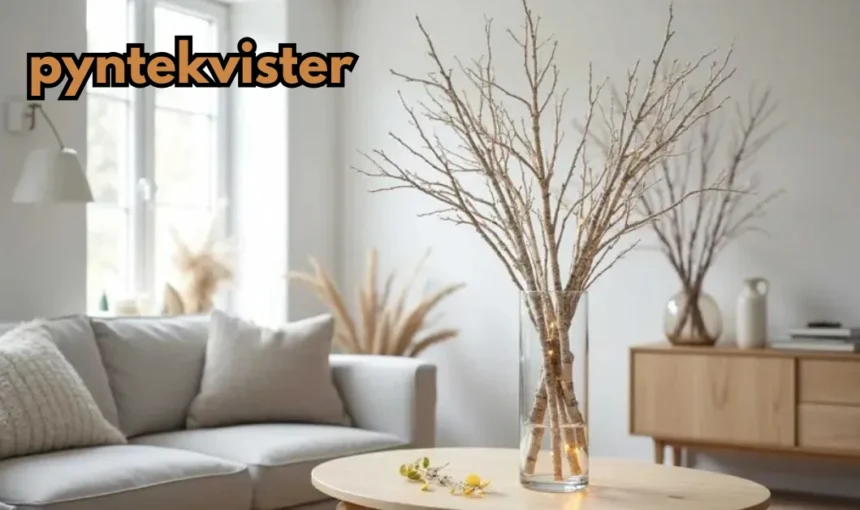
Introduction to Pyntekvister
The word Pyntekvister may sound unfamiliar to many readers outside Scandinavia, but its charm and versatility make it a trend worth exploring in the world of home décor. At its core, pyntekvister refers to the practice of using decorative branches or twigs—often arranged or adorned—to bring a natural, minimalist elegance into a space. In this article, we’ll dive into what Pyntekvister really means, its cultural roots, how it’s used today, practical tips for incorporating it into your home, and answer common questions. Whether you are decorating a modern urban apartment or a cozy countryside cottage, you’ll find that adopting this subtle technique can make a big difference.
What is Pyntekvister?
Pyntekvister is a Norwegian (and generally Scandinavian) term that translates roughly to “decorative branches” or “ornamental twigs.” The essence of the concept is beautifully simple: select branches, twigs, or small natural stems—sometimes with leaves, sometimes bare—and display them in a way that highlights their texture, shape, and natural beauty. These arrangements often appear in vases, mounted on walls, or as part of craft projects.
The key characteristics of pyntekvister include:
-
Natural material: Using real branches, rather than purely synthetic décor.
-
Minimalist aesthetic: The focus is on form and simplicity rather than heavy ornamentation.
-
Seasonal or timeless use: While historically tied to seasonal celebrations, today pyntekvister can be used year-round.
-
Versatility in display: From a single twig in a tall narrow vase to an artful cluster on a shelf, the display possibilities are many.
Cultural and Historical Background
Understanding the tradition of pyntekvister helps one appreciate its deeper meaning and how it evolved into a modern design choice.
Scandinavian roots
In Nordic countries, the relationship between human living spaces and nature has long been strong. Harsh winters, brief summers, and a reverence for the outdoors have shaped design philosophies such as the Danish hygge (coziness) and Swedish lagom (just enough). Pyntekvister fits neatly into such values.
Traditionally, twigs and branches were gathered for seasonal rituals: for example, budding branches in spring symbolised renewal, and bare winter branches represented endurance and stillness.
Evolution into modern décor
Over time, what began as seasonal folk‐practice has transformed into a design element appreciated for its aesthetic and symbolic value. Designers now use pyntekvister not only for holiday décor but as year‐round features in homes, offices, boutiques.
There is also a sustainability angle: using natural, often locally sourced branches, embracing imperfection, appreciating textures rather than flashy finishes—these align with current trends in eco‐friendly décor.
So, while pyntekvister remains deeply rooted in tradition, it has adapted gracefully to contemporary interiors.
Why Pyntekvister Works in Contemporary Interiors
Here are some of the reasons why pyntekvister has gained popularity among interior decorators and homeowners alike:
1. Adds organic texture
Modern interiors often feature smooth surfaces—glass, steel, polished wood. The inclusion of natural twigs/bricks in the form of pyntekvister introduces an organic, irregular texture that offers visual interest without overwhelming the space.
2. Fits minimalist aesthetics
Because the form is simple—just branches with little added fuss—pyntekvister aligns perfectly with minimalist or Scandinavian design aesthetics. A single well-placed twig can become a statement.
3. Affordable and sustainable
Collecting branches or purchasing simple natural arrangements can be far less expensive than elaborate decorative objects. Also, because many arrangements use natural or recycled materials, they are environmentally friendly.
4. Versatile and adaptable
Pyntekvister can work in many contexts: from rustic country homes to sleek urban apartments. They can be seasonal (e.g., a branch of blossoming forsythia in spring) or timeless (a simple bare branch in a tall vase all year long).
5. Encourages creativity and personalisation
Because the material is simple, you can easily customise it—paint the branches, add lights, ornaments, berries, or hang them. This DIY friendly aspect appeals to people who like hands-on décor.
In short, pyntekvister offers elegance, adaptability and simplicity—all key components in modern interior design.
How to Incorporate Pyntekvister into Your Home
Here are practical steps and tips for using pyntekvister in your space.
Choosing branches
-
Look for interesting shapes and textures: birch, willow, cherry twig, or even bare branches work well.
-
Consider whether you want leafy, budding, or bare branches depending on the season and the mood.
-
If collected outdoors, make sure to clean, dry and remove any pests or loose bark.
Preparing for display
-
Use a tall, narrow vase or a low wide one depending on the height and size of the branches.
-
Decide if you want the branches natural (bare wood) or decorated (painted or adorned). Some decorators lightly spray-paint branches white or metallic for contrast.
-
Balance is key: in a minimalist room, one or two striking branches may work better than a dense cluster.
Placement ideas
-
Entryway: A single branch in a tall vase by the door can set a natural tone.
-
Living room: Place on a mantle or next to a sofa to add vertical interest.
-
Dining table centerpiece: Use shorter twigs in a shallow container, perhaps with lights or berries for festive effect.
-
Seasonal variation: In spring, use branches with buds or blossoms; in autumn, dried branches with berries; in winter, bare twig arrangements perhaps with soft lighting.
Styling tips
-
Keep colour palette simple: Natural wood tones, neutral vases, and minimal accent colours.
-
Lighting: A branch lit from below or nearby can cast beautiful shadows—useful for creating mood.
-
Combine with minimal décor: Because pyntekvister is subtle, it works best when not competing with other bold décor items.
-
Low maintenance: Many branches require little care; some may need occasional dusting.
Frequently Asked Questions
1. Are the branches safe for indoor use (pests, allergens)
If you collect branches from outdoors, it’s wise to clean them: shake off loose bark, check for insects, and let them dry thoroughly before bringing them indoors. If you buy pre-prepared branches, they are often pre-treated.
2. Do I need special materials or tools to create a pyntekvister arrangement
Not at all. Basic tools like pruning shears (to cut the branch), a simple vase/container, and perhaps decorative elements (ribbon, lights) are sufficient. The key is simplicity.
3. Can I use artificial branches instead of real ones
Yes—many modern interpretations use artificial twigs for longevity or convenience. However, part of the charm of pyntekvister lies in the authenticity of natural materials. Some see natural branches as more sustainable and more textured. Verse Magazine
Q4. How often should I change or update the arrangement
A4. It depends on the branch and the context. Some people keep a display year-round. Others update with the seasons—spring blossoms, summer greenery, autumn dried twigs, winter bare branches. Changing it every 3-6 months keeps things fresh.
5. Can pyntekvister work in small spaces
Absolutely. In fact, its minimalist nature makes it ideal for smaller interiors. A single slender branch in a narrow vase can produce a strong visual effect without dominating the space.
6. Is this trend only for Scandinavian style homes
No—not at all. While the concept comes from Scandinavian design traditions, the elemental beauty of the idea means it can be adapted into many décor styles—from modern minimalist to rustic farmhouse. The key is matching the branch choice and container to your interior aesthetic.
Conclusion for Pyntekvister
Pyntekvister offers an elegant and accessible way to bring nature into your home décor. From its humble roots in Scandinavian tradition to its present-day popularity in minimalist and modern interiors, the practice reminds us of the beauty in simplicity, texture, and quality materials. Whether you’re looking for a cost-effective way to refresh your space, a sustainable décor option, or just a fresh aesthetic idea, pyntekvister is a worthy choice. With a few thoughtfully chosen branches, a clean container, and the right placement, you can create a striking visual that quietly enhances your space.
So the next time you find yourself browsing décor ideas, consider stepping outside, selecting an interesting branch, and creating your own pyntekvister arrangement—it might become your favourite home accent.